Dry Eye: More Than Just Dry, Tired Eyes
Do your eyes often feel gritty, tired, irritated or uncomfortable, particularly after a long day? You may be experiencing dry eye.
Dry eye is a common condition that occurs when your eyes don’t produce enough tears, or when the tears evaporate too quickly. While it can be irritating and uncomfortable, understanding what causes dry eye & knowing when to seek professional advice can make a real difference.
What does dry eye feel like?
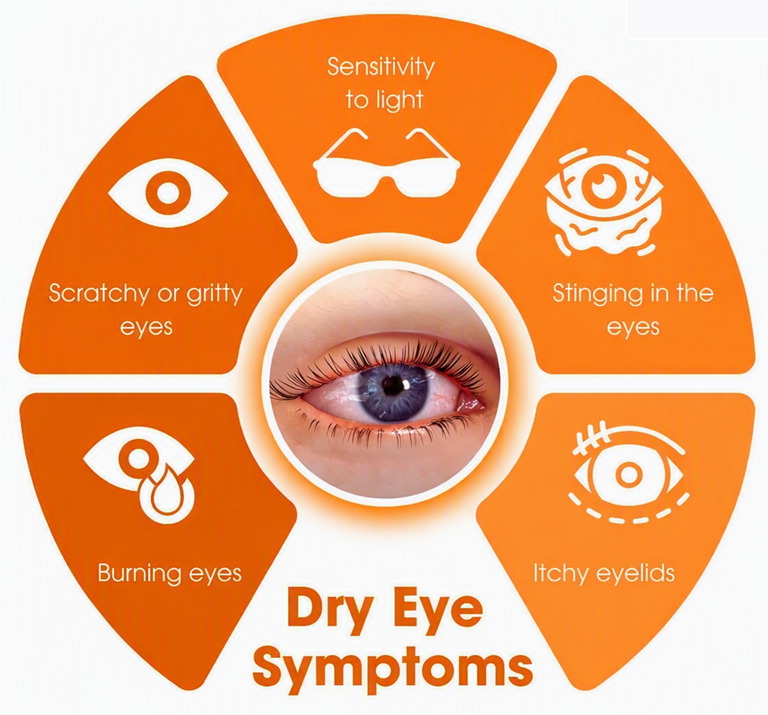
Dry eye can cause a surprisingly wide range of symptoms. You may notice:
- A gritty or sandy sensation
- Burning, stinging or irritation
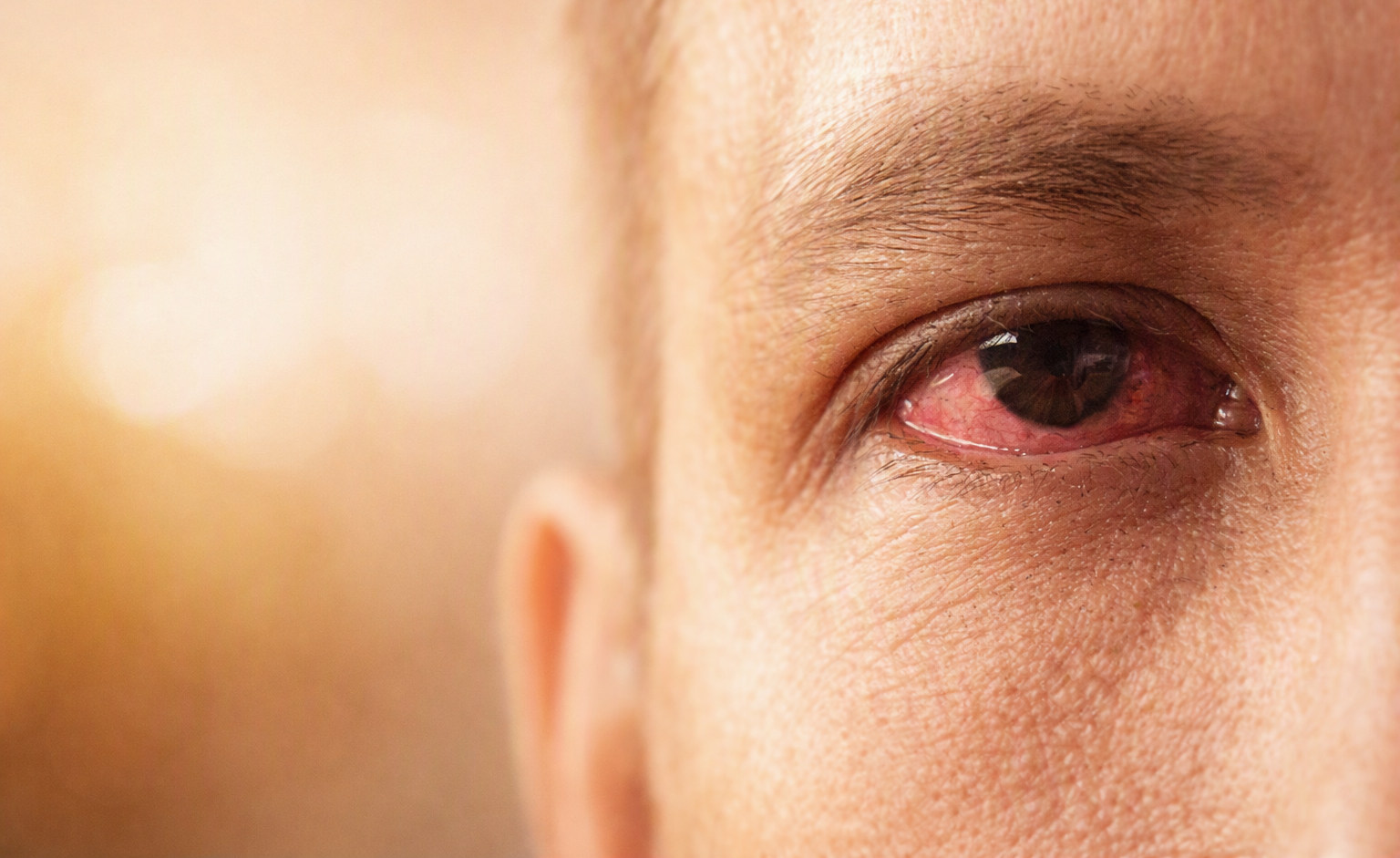
- Red or tired-looking eyes
- Blurred or fluctuating vision
- Increased sensitivity to light
- Difficulty wearing contact lenses comfortably
- Eyes that feel tired after reading or screen use
- Watery eyes
That last symptom can seem strange but watery eyes can actually be associated with dry eye. When the surface of the eye becomes irritated, it can trigger an increased production of watery tears. Unfortunately, these tears may not provide the longer-lasting lubrication the eye needs.
Why do our eyes become dry?
There are many factors that can contribute to dry eye. Spending long periods looking at computers, tablets and phones can play a role because we tend to blink less when concentrating on a screen.
Other contributing factors can include:
- Air conditioning and heating
- Fans or air blowing directly towards your eyes
- Contact lens wear
- Certain medications
- Age-related changes
- Environmental conditions such as wind or low humidity
For some people, dry eye can also be associated with changes to the eyelids or the glands that produce the oily component of the tear film.
Simple ways to give your eyes a little TLC
If your eyes are feeling dry or uncomfortable, a few simple habits may help:
Take regular screen breaks. Follow the 20-20-20 rule: every 20 minutes, look at something around 20 feet away for at least 20 seconds.
Remember to blink. When concentrating on a screen, consciously taking a few slow, complete blinks can help refresh the surface of the eye.
Consider your environment. Try to avoid having air conditioning, heating or fans blowing directly towards your face.
Look after your contact lenses. Follow your optometrist’s recommendations for lens wear, cleaning and replacement.
Stay hydrated. Drinking enough water throughout the day supports overall health and may help with general eye comfort.
When should you see an optometrist?
Occasional eye dryness may be manageable with simple lifestyle changes, but persistent or worsening symptoms shouldn’t be ignored.
An optometrist can assess the health of your eyes, examine your tear film and eyelids, and help determine what may be contributing to your symptoms. Depending on the cause and severity, they can recommend appropriate treatment and ongoing management.
Your eyes shouldn’t have to feel uncomfortable every day.
If dryness, irritation or fluctuating vision is affecting your work, screen time, contact lens wear or everyday life, book an eye examination and talk to your optometrist.
This article is intended for general information only and is not a substitute for individual professional eye-care advice.