
Parkinsons
Parkinson’s can cause many visual symptoms, ranging from dry eyes to double vision. These symptoms interfere with reading or driving, they can worsen walking or balance problems, and even contribute to hallucinations. The vision problems a Parkinson’s sufferer experiences may be due to the Parkinsons itself, the medications used to treat it, or it could be totally unrelated to Parkinsons and caused by other conditions of the eye or eyelid.
Glasses
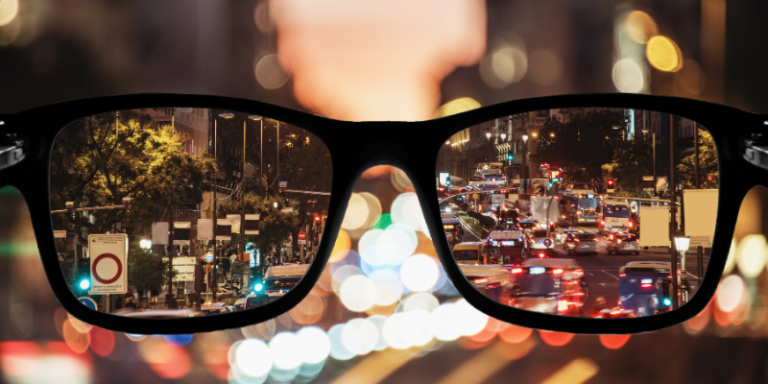
If a person with PD is having visual complaints, the first thing to consider is whether simply changing your glasses will help the problem. The power of your lenses may need changing or special lenses that help your eyes coordinate better might be required.
Dry Eye
People with PD blink less frequently causing problems with dryness, irritation or burning of the eyes. Lubricating eye drops and ointments may help these symptoms, but they need to be used regularly.
Less commonly, people with Parkinson’s have the opposite problem. Instead of not blinking enough, they have excessive blinking which may lead to involuntary closure of the eyes, called blepharospasm. The treatment of choice for this problem is botox injections into the eye muscles.
Colour Vision
Dopamine neurons in the retina can be lost in PD. The dysfunction of these neurons can lead to a loss of brightness in our vision. There can also be colour vision deficits. Blues may be mistaken for green and yellow for violet. Visual disturbances or hallucinations can also occur. The image appears without any known trigger or voluntary effort and the content can be variable.
Patients should use ample ambient light while reading, to offset the effects of reduced brightness and colour vision. You can get tinted lenses to help with colour vision problems but these can be expensive and give limited assistance.
Medication
All prescriptions have potential side effects and some of these involve the visual system. Anticholinergic medications in particular, such as Artane — which is used to treat tremors — can lead to dry eyes and blurred vision. Treatments include eye ointments, drops, or warm compresses.
Hallucinations and illusions can also be a side effect of some Parkinson’s medications like Madopar or Sinemet.
If you do experience what you think are side effects from your Parkinson’s medication, you shouldn’t stop taking it without guidance from your specialist.
Eye Test
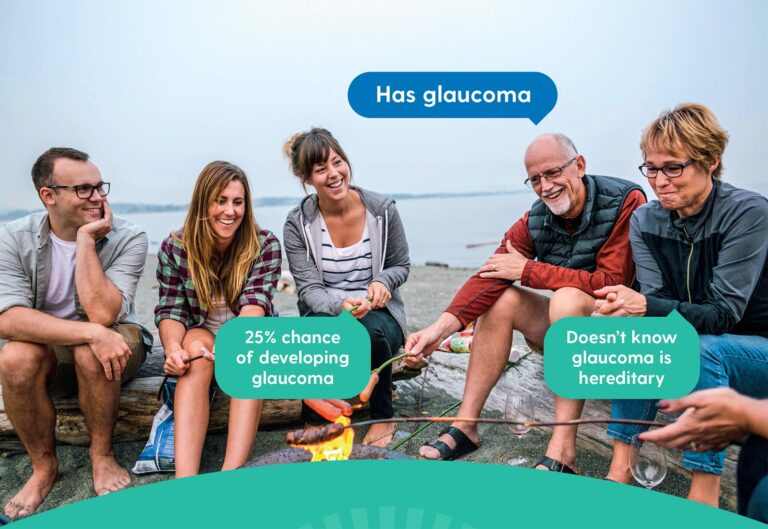
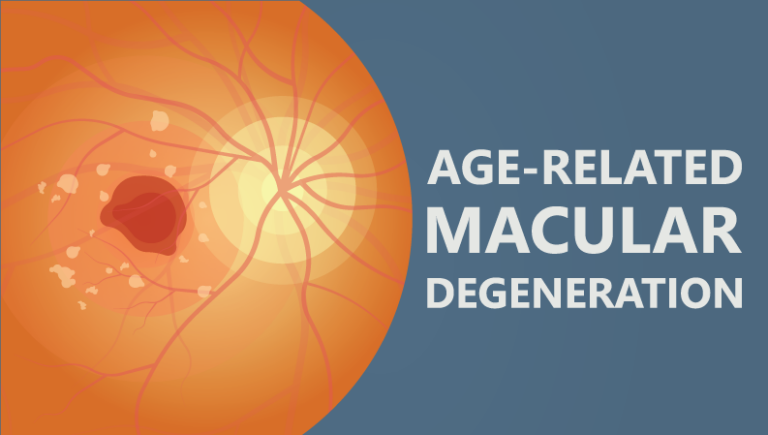
Finally, in addition to everything already discussed, a person with PD can still get age-related eye diseases, just like everyone else. As you get older, cataracts, macular degeneration and glaucoma can occur regardless of whether you have Parkinson’s disease.
When a visual symptom arises in the course of Parkinson’s disease, it’s important to rule out other conditions. Don’t assume it’s due to PD, especially if it comes on suddenly or fluctuates. People with Parkinson’s can certainly have other medical problems that can affect vision. A lot of which can have a simple fix as discussed.
So raise the issue with your doctor or optometrist and ask what could be causing your symptoms and determine what can be done to ease them. Together you can work to find a solution that will lessen your visual symptoms and improve your quality of life.