|

Glaucoma

Glaucoma is a group of eye diseases that affects the optic nerve in the back of the eye. It causes gradual and irreversible loss of peripheral vision. Unfortunately, the progression is so slow that it is impossible to know if you have it. There is no cure but various treatment options are available, which are more effective when the disease is detected early.

50% of people with glaucoma do not know they have it

Glaucoma can only be detected with a thorough eye examination. Although there is not one test that alone can diagnose glaucoma, routine tests including measuring eye pressure, assessment of the front of the eye and optic nerve (including photography) can indicate if you are at risk and require further testing. With access to the latest technology we can now detect glaucoma earlier than ever before.

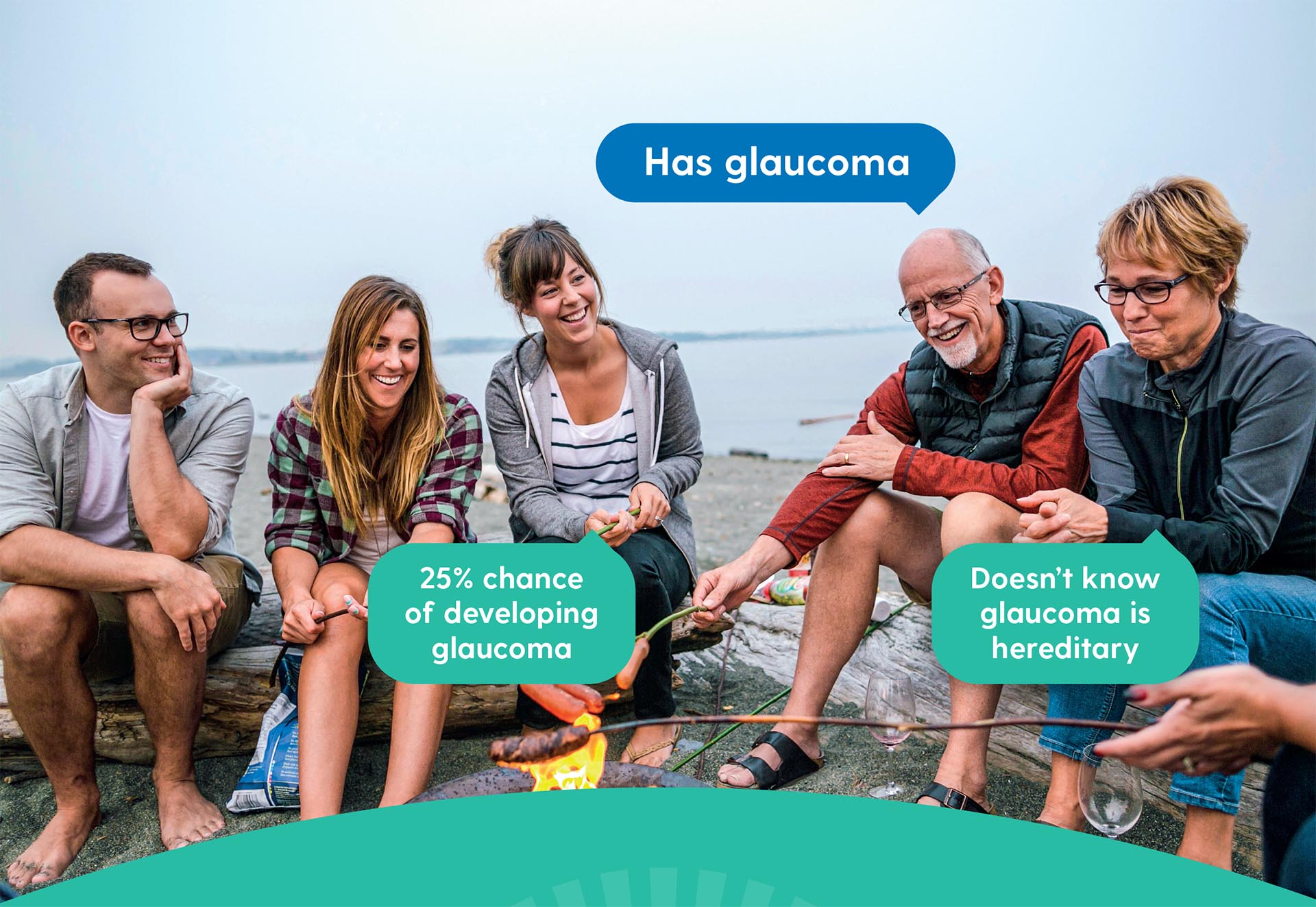
10x more likely to develop glaucoma if a close relative has it

Whilst anyone can develop glaucoma, there are people who are more susceptible. Risk factors include having a family history of glaucoma, aged over 50 years, diabetic, suffer with migraines or have a history of extended steroid use.

The key to early intervention and preserving sight is regular eye examinations and following the advice of your Optometrist.



Similar Posts

  • |

    Dry Eyes

    A complaint we routinely get from patients is that their eyes are burning and watery. They sometimes also notice that their vision is intermittently blurred after doing a task such as reading or looking at a screen, for an extended period. Commonly the cause of this is dry eye.   Initially, this does not seem…

  • |

    A Clear Choice for Your Vision: Understanding Contact Lenses

    If you’re looking for freedom from glasses without sacrificing clear, comfortable vision, contact lenses may be the perfect solution. At our optometry practice, we help patients of all ages find lenses that fit their lifestyle, vision needs, and eye health. Whether you’re new to contacts or considering a different type, here’s a helpful guide to…

  • |

    Children’s Eye Health: How to Spot Vision Problems Early

    Children rely heavily on their vision for learning, playing, and exploring the world. Yet, vision problems often go unnoticed because children may not realise their eyesight is poor. Regular eye checks are crucial to ensure children’s eyes develop properly and to prevent potential learning delays or behavioural issues linked to undiagnosed vision problems. Common Vision…

  • |

    Parkinsons

    Parkinson’s can cause many visual symptoms, ranging from dry eyes to double vision. These symptoms interfere with reading or driving, they can worsen walking or balance problems, and even contribute to hallucinations. The vision problems a Parkinson’s sufferer experiences may be due to the Parkinsons itself, the medications used to treat it, or it could…

  • |

    Cataracts

    What is a cataract?   A cataract is the clouding of the eyes lens that occurs naturally as we age. Similar to a dirty windscreen on a car, the cloudier the cataract, the more difficult it is for light to pass through and see a clear image.   Almost everyone will develop cataracts if they…