Subconjunctival Haemorrhages
Why is there blood in my eye? Subconjunctival Haemorrhages: What You Need to Know
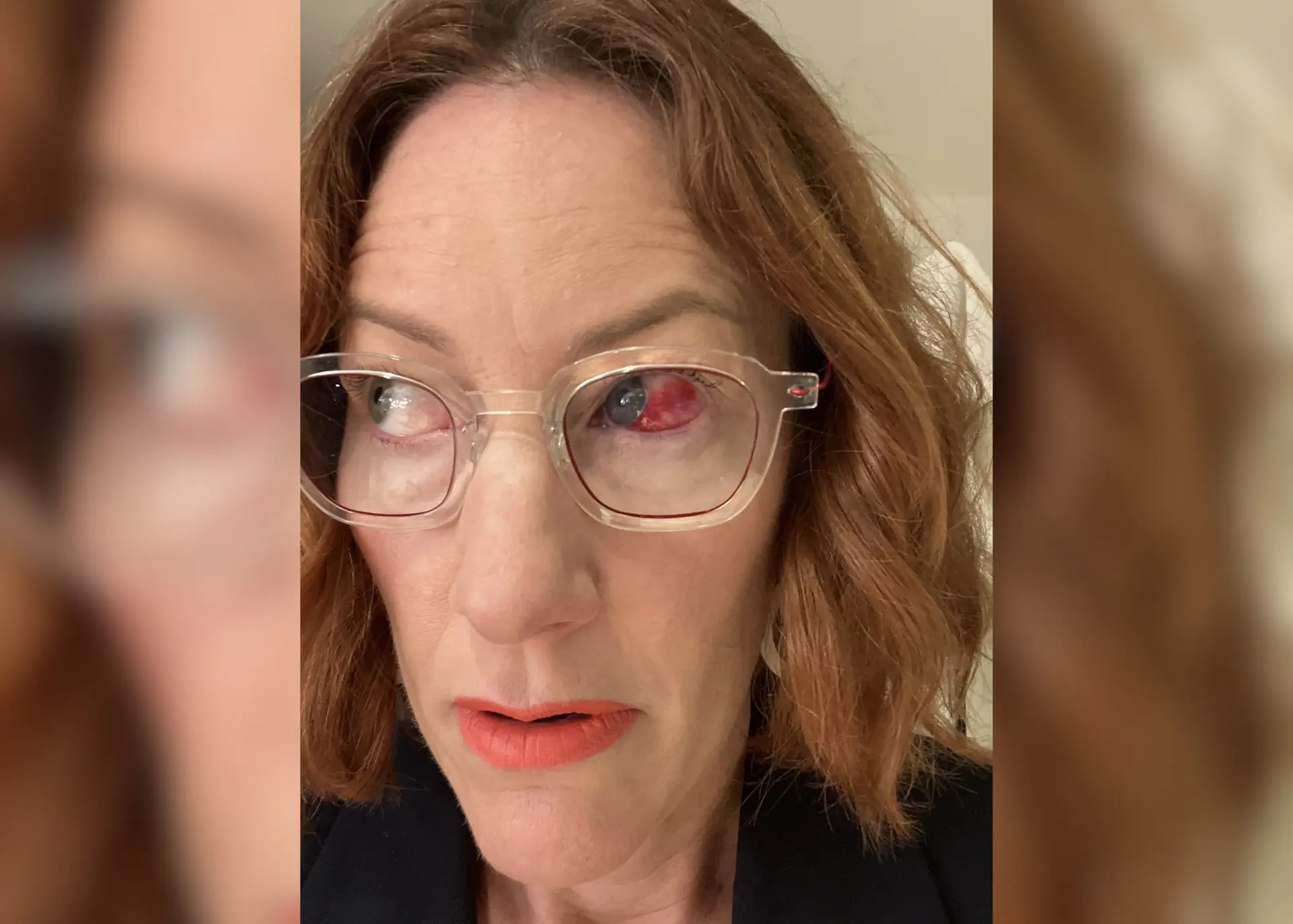
Have you ever noticed a bright red patch on the white of your eye? This is likely a subconjunctival haemorrhage – a common and typically harmless condition that can look alarming but usually resolves on its own without treatment.
What is a Subconjunctival Haemorrhage?
A subconjunctival haemorrhage occurs when a small blood vessel breaks beneath the conjunctiva (the clear membrane covering the white of your eye). This causes blood to leak between the conjunctiva and sclera, creating a red patch that can vary in size.
Despite its dramatic appearance, this condition is generally painless and doesn’t affect vision.
Common Causes
These haemorrhages can happen for several reasons:
- Sudden pressure increases (coughing, sneezing, heavy lifting)
- Minor eye trauma or rubbing
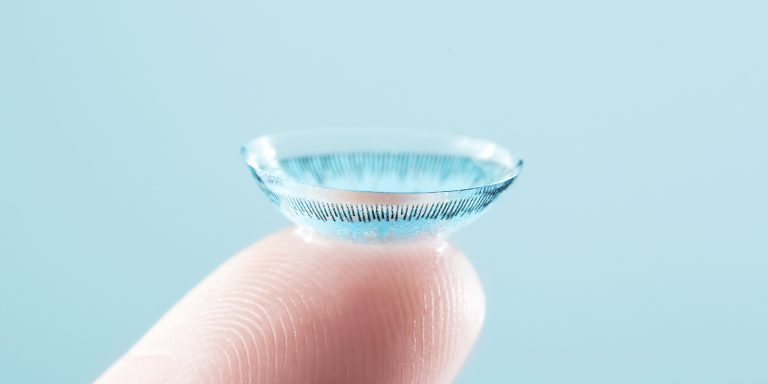
- Rough contact lens insertion or removal
- High blood pressure
- Blood-thinning medications
- Eye surgery
Sometimes they occur spontaneously with no identifiable cause, particularly in older adults whose blood vessels may be more fragile.
Symptoms
The main symptom is a bright red patch on the white of your eye. Unlike other eye conditions, subconjunctival haemorrhages typically:
- Are painless
- Don’t affect vision
- Don’t produce discharge
- Don’t create a sensation of something in your eye
When to See an Eye Care Professional
While most subconjunctival haemorrhages heal on their own, consult an optometrist if:
- The haemorrhage follows significant eye trauma
- You experience pain
- Your vision changes
- It doesn’t improve within two weeks
- You have recurrent haemorrhages
- You have a bleeding disorder or take blood thinners
- It’s accompanied by headache or hypertension
Treatment and Recovery
Most subconjunctival haemorrhages don’t require treatment and resolve on their own within 1-2 weeks. The red patch may change colour as it heals, similar to a bruise.
During recovery, you might:
- Use lubricating eye drops for mild irritation
- Avoid rubbing your eye
- Take a break from contact lens wear
For recurring haemorrhages, your doctor may investigate underlying causes like high blood pressure.
Prevention
Reduce your risk by:
- Managing conditions like hypertension and diabetes
- Wearing protective eyewear during high-risk activities
- Using proper technique with contact lenses
- Avoiding excessive eye rubbing
The Bottom Line
Although a subconjunctival haemorrhage can look concerning, it’s rarely a serious problem. Like a bruise, it will heal with time. However, if you experience any unusual symptoms or have concerns about your eye health, our team of eye care professionals is here to help.
This blog is for informational purposes only and does not constitute medical advice. Always consult with a qualified eye care professional regarding any eye-related concerns.