
Winter Eye Care in Murray Bridge
Winter Sun and Your Eyes: Why Eye Care Matters During the Cooler Months
When people think about protecting their eyes from the sun, summer usually comes to mind. However, winter can present just as many challenges for your eye health. From increased UV exposure to dry, irritated eyes caused by cold weather and wind, the cooler months are an important time to prioritise your vision and eye health.
In Murray Bridge, we often see patients surprised to learn that winter conditions can have a significant impact on their eyes. Whether you’re spending time outdoors, working on the farm, enjoying a walk along the Murray River, or simply commuting to work, understanding the effects of winter weather can help keep your eyes healthy and comfortable.
UV Protection Isn’t Just for Summer
Many people assume that UV radiation disappears when temperatures drop. In reality, ultraviolet (UV) rays remain present all year round and can still cause damage to your eyes during winter.
Cloud cover does not completely block UV radiation, and the lower angle of the winter sun can sometimes increase glare, particularly during early mornings and late afternoons. Reflective surfaces such as water, wet roads and even light-coloured surfaces can further increase UV exposure.
Long-term exposure to UV radiation has been linked to several eye conditions, including:
- Cataracts
- Macular degeneration
- Pterygiums (surfer’s eye)
- Photokeratitis (sunburn of the eye)
Wearing quality sunglasses with full UV protection is one of the simplest ways to protect your eyes throughout winter.
At Bridge Eye Care, we offer a range of sunglasses, including Maui Jim, renowned for their exceptional UV protection, glare reduction and colour enhancement. We also provide prescription sunglasses tailored to your visual needs, ensuring clear and comfortable vision while protecting your eyes from harmful UV rays.
Why Winter Can Make Dry Eyes Worse
While South Australian summers are often associated with dry conditions, winter can be equally challenging for people who suffer from dry eye symptoms.
Cold air, wind exposure, indoor heating and reduced humidity can all contribute to increased tear evaporation. This can leave the surface of the eye feeling dry, irritated and uncomfortable.
Common symptoms of dry eye include:
- Burning or stinging sensations
- Watery eyes
- Grittiness or a feeling of sand in the eyes
- Blurred vision
- Eye fatigue
- Redness and irritation
Many people are surprised to learn that watery eyes can actually be a sign of dry eye disease. When the eyes become dry and irritated, they often produce excessive reflex tears that do not provide lasting lubrication.
If you are experiencing ongoing symptoms, a comprehensive dry eye assessment can help identify the underlying cause and determine the most appropriate treatment options.
Digital Devices & Winter Eye Strain
As temperatures drop, many people spend more time indoors using computers, tablets and smartphones. Increased screen time can contribute to digital eye strain and worsen dry eye symptoms.
To reduce discomfort:
- Follow the 20-20-20 rule: Every 20 minutes, look at something 20 feet away for 20 seconds.
- Blink regularly.
- Ensure good lighting while working.
- Consider specialised lenses designed for digital device use.
Our team can recommend lens solutions from leading manufacturers including Hoya, Zeiss and CR Labs to help improve comfort and visual performance for your lifestyle.
The Importance of Regular Eye Examinations
Winter is an excellent time to schedule a comprehensive eye examination. Many eye conditions develop gradually and may not cause noticeable symptoms in their early stages.
Regular eye examinations allow us to monitor:
- Changes in vision
- Cataracts
- Glaucoma
- Macular degeneration
- Diabetic eye disease
- General eye health
At Bridge Eye Care, we utilise advanced technology including Optomap retinal imaging and OCT (Optical Coherence Tomography) scanning to provide detailed assessments of your eye health.
Optomap Retinal Imaging
Optomap allows us to capture a wide-field image of the retina, helping detect changes and abnormalities that may not be visible during a standard examination.
OCT Eye Scanning
OCT technology provides detailed cross-sectional images of the retina and optic nerve, allowing for early detection and monitoring of many eye conditions.
Combined with a comprehensive eye examination, these technologies help us build a complete picture of your eye health and identify concerns as early as possible.
Protecting Children’s Eyes During Winter
Children also require year-round eye protection. UV exposure during childhood can contribute to cumulative lifetime damage, making sunglasses and regular eye examinations particularly important.
Winter is often a busy school term, making it a good opportunity to ensure your child’s vision is supporting their learning and development. Early detection of vision problems can make a significant difference both inside and outside the classroom.
Tips for Healthy Eyes This Winter
To keep your eyes comfortable and healthy throughout winter:
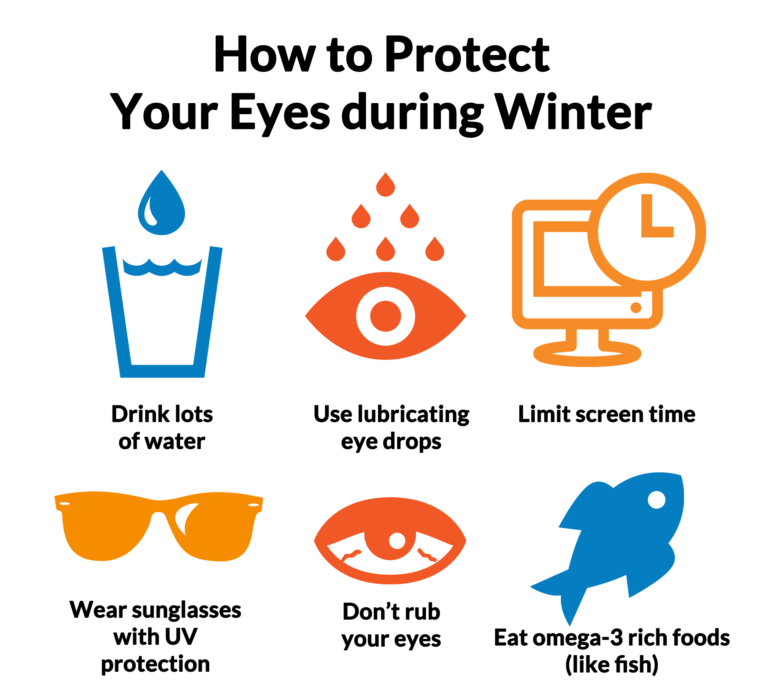
- Wear sunglasses with 100% UV protection.
- Choose quality polarised lenses when spending time outdoors.
- Use lubricating eye drops if recommended by your optometrist.
- Protect your eyes from wind exposure.
- Stay hydrated.
- Take regular breaks from screens.
Book Your Winter Eye Health Check
Winter may feel cooler, but UV exposure, glare and dry eye symptoms remain common concerns for many Australians. Taking simple steps to protect your eyes can help preserve your vision and maintain comfort throughout the season.
Whether you’re experiencing dry eyes, need new sunglasses, or are due for a comprehensive eye examination, the team at Bridge Eye Care is here to help.
Book your eye health check today and ensure your eyes are protected this winter and beyond.