Complete Vision Assessment
A consultation at BEC starts with your imaging exam. Here our well-trained optical assistants will take 3 images of your eye. One is a photo of the center of the retina which includes the important features of the optic nerve and macula. Secondly, an ultrasound image is taken of the macula. This is the earliest and easiest way of seeing if macular degeneration is developing. And thirdly, a wide-angled photo of the retina is taken. This allows us to see out to your peripheral retina. These scans make it easier for us to analyse the health of the back of your eye, diagnose any problems which may affect your eyes and more effectively monitor the future of your vision.
After these images are taken, the optometrist will begin their examination. First and foremost, we’ll discuss why you require an eye test. Are you having problems, or is it simply a routine check-up? The optometrist will gather information about your general health as many systemic problems can affect your eyes. They will gather information on your visual needs; What tasks do you use your glasses for? What do you like about your current glasses? What don’t you like? We’ll collect information on your genetic history. Many problems like glaucoma, diabetes and macular degeneration are hereditary.
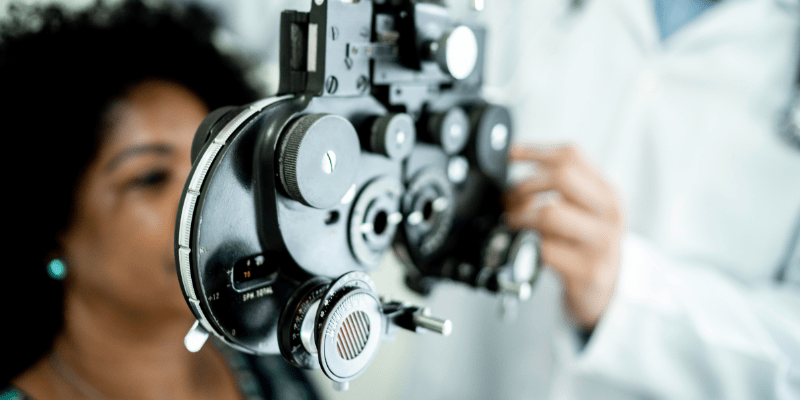
The examination will cover further health checks, including measuring the pressure of your eyes and looking at the front segment of the eye for sun damage, dry eye, infections, and cataracts. The optometrist will study the scans and discuss them in full with you. Finally, they will check not just your glasses prescription but how your eyes coordination and the focusing ability is near. They will finish the exam by discussing the results of your health check, whether you require new glasses, contact lenses, or sunglasses. The complete vision assessment is exactly its title. Book a complete vision assessment today!