|

Age-Related Macular Degeneration (AMD)

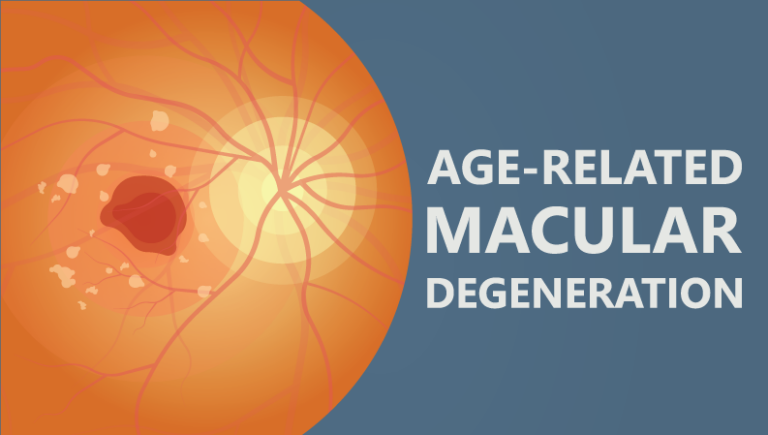
Age-related macular degeneration or AMD, is the leading cause of severe vision impairment in people aged over 40 years in Australia. AMD affects the macula or the central region of the retina. It is responsible for all our fine detail vision. When we read, drive, watch tv, or are required to see anything directly in front of us, we are using our macula.


There are two types of AMD; wet and dry. Wet causes fast and significant vision changes but can potentially be treated with injections to the eye. Dry causes very slow and gradual loss of vision however currently there is no treatment.


AMD will cause blurring and distortion of your vision, loss of colour vision and gaps in your vision. AMD tends to mostly affect people over 75, people with a family history of AMD or smokers.


Regular exercise and eating a healthy, well balanced diet high in antioxidants, vitamins and other nutrients can help keep your eyes healthy.


Healthy eating for the macula includes:


  • Fish two to three times a week
  • Dark green leafy vegetables and fresh fruit daily
  • A handful of nuts a week


One in seven people over the age of 50 have signs of age-related macular degeneration but there are other diseases, including age, trauma and diabetes which also affect the macula. Some are more treatable than others. Knowing your risks, and having regular macula checks with your optometrist, is the only way to protect your vision. Book an appointment today!


Similar Posts

  • |

    Parkinsons

    Parkinson’s can cause many visual symptoms, ranging from dry eyes to double vision. These symptoms interfere with reading or driving, they can worsen walking or balance problems, and even contribute to hallucinations. The vision problems a Parkinson’s sufferer experiences may be due to the Parkinsons itself, the medications used to treat it, or it could…

  • |

    Glaucoma

    Glaucoma is a group of eye diseases that affects the optic nerve in the back of the eye. It causes gradual and irreversible loss of peripheral vision. Unfortunately, the progression is so slow that it is impossible to know if you have it. There is no cure but various treatment options are available, which are…

  • |

    Subconjunctival Haemorrhages

    Why is there blood in my eye? Subconjunctival Haemorrhages: What You Need to Know Have you ever noticed a bright red patch on the white of your eye? This is likely a subconjunctival haemorrhage – a common and typically harmless condition that can look alarming but usually resolves on its own without treatment.   What…

  • |

    Macula Month: Protect Your Sight This May

    May is Macula Month, a nationwide awareness campaign led by the Macular Disease Foundation Australia. It’s a timely reminder for all Australians to understand their risk of macular disease and take proactive steps to protect their vision. At Bridge Eye Care, we’re passionate about helping our community maintain healthy vision and Macula Month is the perfect…