UV Protection: Why Your Eyes Need It Every Day
When we think about sun protection, most of us immediately reach for sunscreen. But while we’re careful with our skin, many people don’t realise that their eyes also need daily protection from ultraviolet (UV) radiation. Even on cloudy days, UV rays are present—and over time, they can cause serious and preventable eye problems.
How UV Light Affects the Eyes
Just like your skin, your eyes can be damaged by long-term UV exposure. The main risks include:
- Photokeratitis (sunburn of the eye)
A painful condition caused by intense UV exposure—think skiing without goggles or a day at the beach without sunglasses. It’s temporary but very uncomfortable. - Cataracts
UV exposure accelerates the clouding of the natural lens. Cataracts are one of the most common causes of vision loss worldwide, and UV protection is a simple way to slow their development. - Macular Degeneration
Some studies suggest that cumulative UV damage may contribute to age-related macular degeneration (AMD), a leading cause of permanent vision loss. - Pterygium (“surfer’s eye”)
This is a growth of tissue on the white of the eye that can become red, irritated, and in some cases grow across the cornea. UV exposure is a major risk factor—especially in sunny environments like Australia.
The Benefits of Proper UV Protection
The good news? Protecting your eyes is easy. The benefits include:
- Reduced long-term risk of eye disease
Regular UV protection significantly lowers your risk of cataracts, pterygium, and retinal damage. - Healthier, more comfortable eyes
Sunglasses with proper UV filters reduce eye strain, glare, and irritation—helping your eyes feel fresher throughout the day. - Better vision in bright conditions
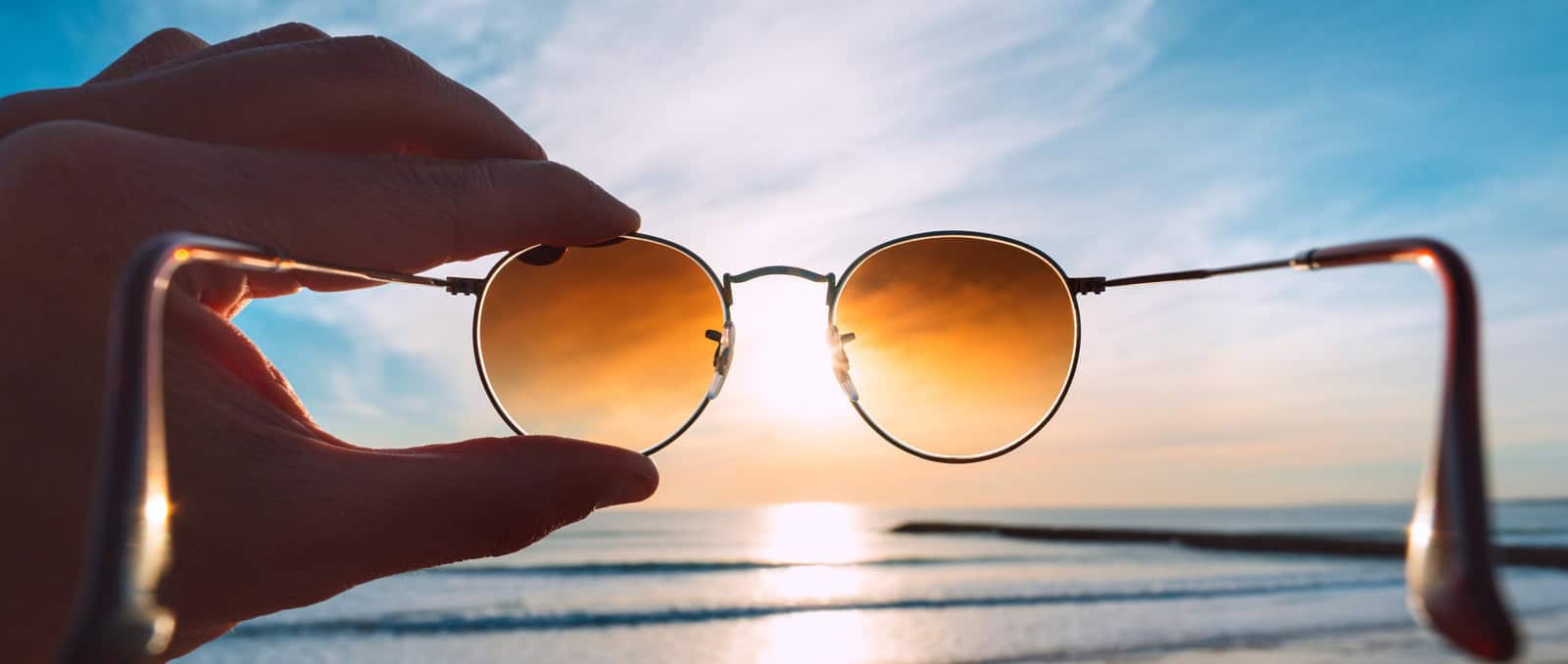
Polarised lenses cut glare from roads, water, and reflective surfaces, improving clarity and comfort.
How to Protect Your Eyes Daily
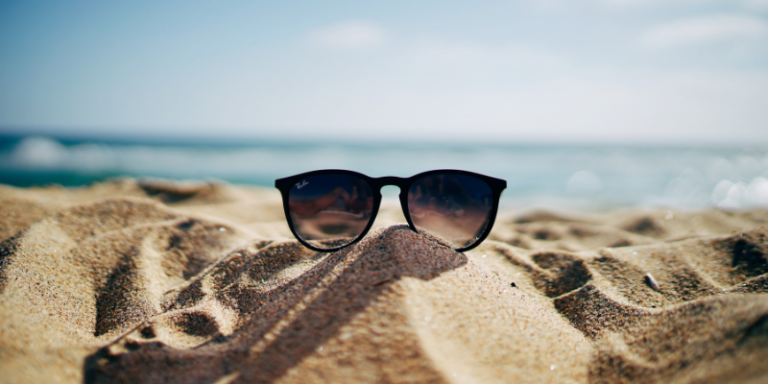
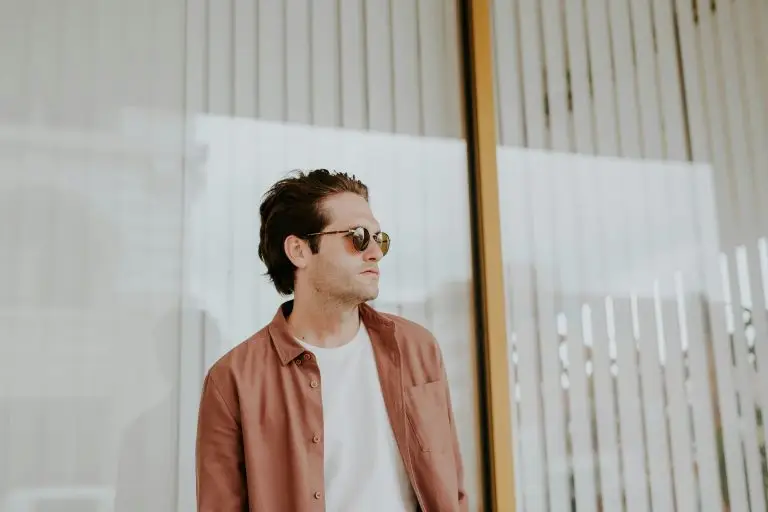
- Choose sunglasses labelled “100% UV protection” or “UV400”
Fashion sunglasses without proper filtering aren’t enough—even if they look dark. - Wear a broad-brimmed hat
Helps block extra sunlight from above and sides. - Don’t forget kids
Children absorb more UV light than adults and often spend more time outdoors. - Consider UV-blocking contact lenses
These add an extra layer of protection but are not a substitute for sunglasses.
Final Thoughts
UV protection isn’t just about comfort—it’s an investment in long-term eye health. Whether you’re driving, walking the dog, or spending the day at the beach, a good pair of sunglasses is one of the simplest and most effective ways to keep your eyes healthy for life.
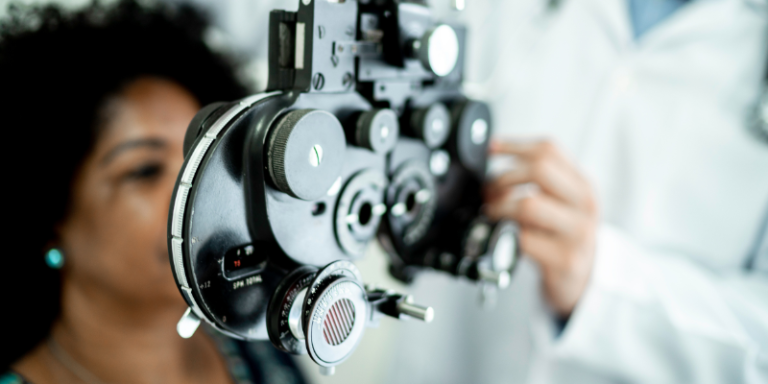
If you’re unsure whether your current sunglasses meet UV standards, or you’d like personalised advice, booking an eye health check is a great place to start.