|

Glaucoma

Glaucoma is a group of eye diseases that affects the optic nerve in the back of the eye. It causes gradual and irreversible loss of peripheral vision. Unfortunately, the progression is so slow that it is impossible to know if you have it. There is no cure but various treatment options are available, which are more effective when the disease is detected early.

50% of people with glaucoma do not know they have it

Glaucoma can only be detected with a thorough eye examination. Although there is not one test that alone can diagnose glaucoma, routine tests including measuring eye pressure, assessment of the front of the eye and optic nerve (including photography) can indicate if you are at risk and require further testing. With access to the latest technology we can now detect glaucoma earlier than ever before.

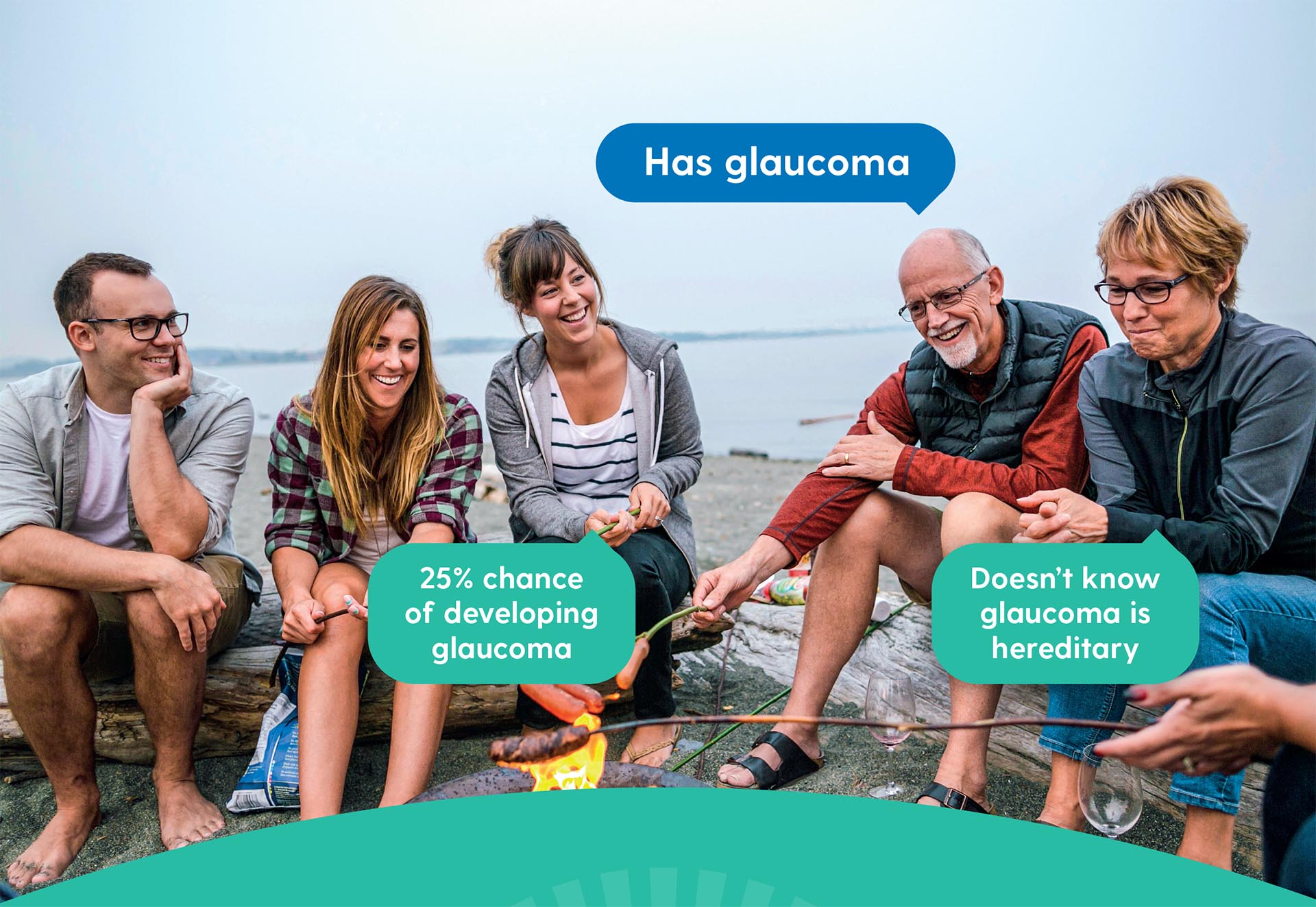
10x more likely to develop glaucoma if a close relative has it

Whilst anyone can develop glaucoma, there are people who are more susceptible. Risk factors include having a family history of glaucoma, aged over 50 years, diabetic, suffer with migraines or have a history of extended steroid use.

The key to early intervention and preserving sight is regular eye examinations and following the advice of your Optometrist.




Similar Posts

  • |

    Cataracts

    What is a cataract?   A cataract is the clouding of the eyes lens that occurs naturally as we age. Similar to a dirty windscreen on a car, the cloudier the cataract, the more difficult it is for light to pass through and see a clear image.   Almost everyone will develop cataracts if they…

  • |

    Parkinsons

    Parkinson’s can cause many visual symptoms, ranging from dry eyes to double vision. These symptoms interfere with reading or driving, they can worsen walking or balance problems, and even contribute to hallucinations. The vision problems a Parkinson’s sufferer experiences may be due to the Parkinsons itself, the medications used to treat it, or it could…

  • |

    Signs Your Child Might Be Struggling with Their Vision

    Good vision plays a vital role in a child’s learning, development, and overall wellbeing. Because children often don’t realise when their sight isn’t normal, vision problems can easily go unnoticed. Instead of telling you they can’t see clearly, kids usually adapt or show signs in their behaviour. Here are some common indicators that your child…

  • |

    Myopia

    Myopia or short-sightedness means you have difficulty seeing objects further away. It is a growing problem due to its strong relationship with constant digital work. The more myopic a child the more likely they will be to have problems with glaucoma, retinal tears or worse, retinal detachments when they are older.   Although an outright…

  • |

    Aliquam id dolor

    Donec vitae arcu. Fusce dui leo, imperdiet in, aliquam sit amet, feugiat eu, orci. Duis pulvinar. Class aptent taciti sociosqu ad litora torquent per conubia nostra, per inceptos hymenaeos. Cras pede libero, dapibus nec, pretium sit amet, tempor quis. Etiam dui sem, fermentum vitae, sagittis id, malesuada in, quam. Class aptent taciti sociosqu ad litora…